
News2026-11-11
Contact centers want AI agents that can't break policy. Zingtree runs the required checks outside the model
 CTO Sync
Zingtree launched AI agent governance for customer service in regulated industries, running required checks as fixed rules outside the AI model.
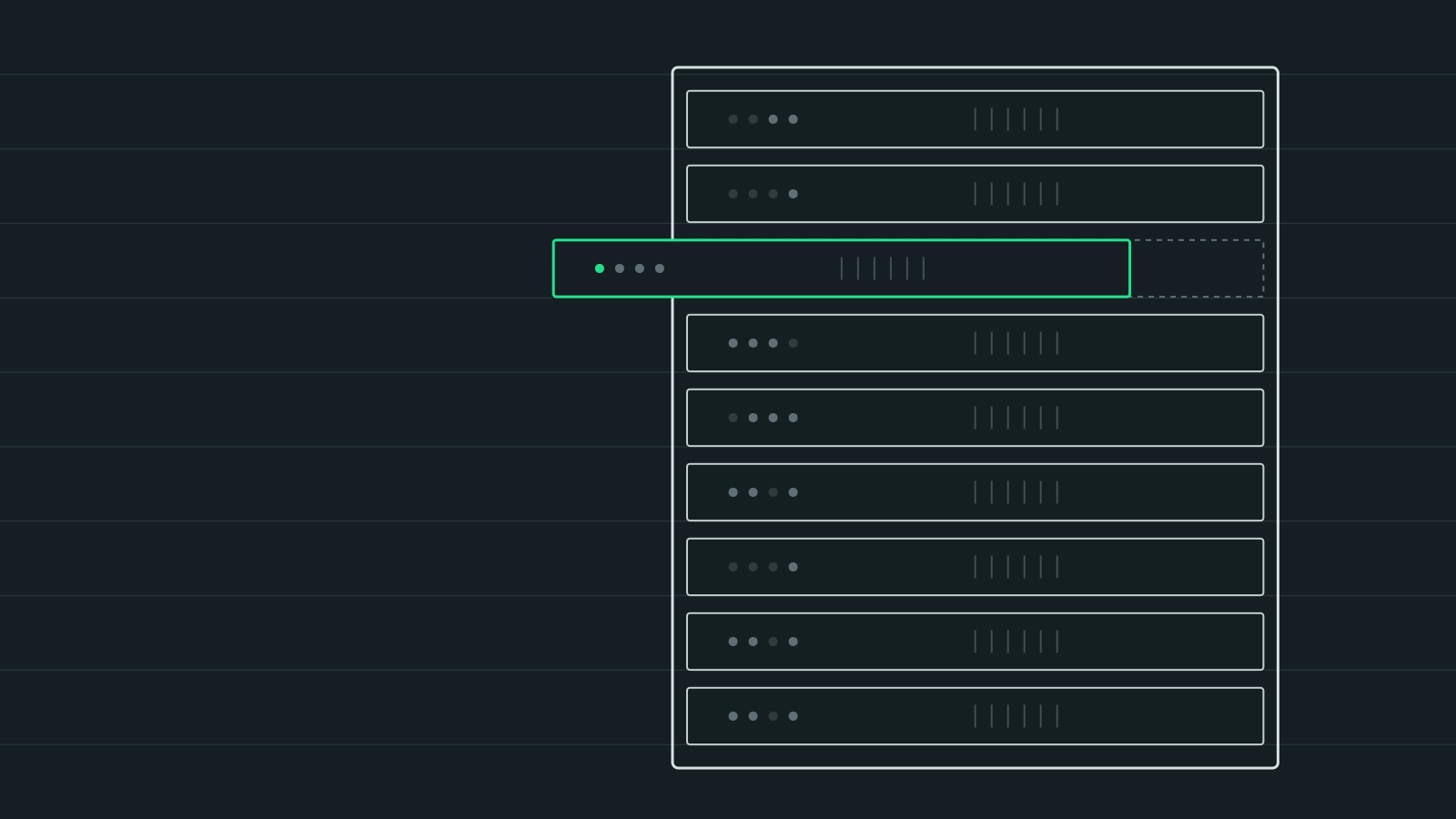
Zingtree, a Palo Alto customer experience AI company, launched a platform for AI agent governance in customer service on November 10, 2026, built for healthcare, insurance and financial services. The company says it runs mandatory steps such as identity checks as fixed rules outside the AI model and vets every agent action before it happens.
Key points
- Zingtree announced the platform on November 10, 2026, for contact centers and customer operations in complex, regulated industries.
- The company says mandatory steps, among them identity verification, eligibility checks and policy limits, are handled by fixed rule-based flows that sit outside the AI model.
- According to Zingtree, a guardrail checks each action before an AI agent takes it, and every answer and action is logged so decisions can be audited.
- Gartner predicts that by 2027, 40% of enterprises will demote or decommission autonomous AI agents because of governance gaps found only after production incidents (Gartner, May 26, 2026).
- Corpay, the payments company, is quoted in the announcement saying the platform lets it hold its AI agents and its service teams to the same decision logic.
Why is AI agent governance for customer service so hard?
Because a support agent that can act on an account needs controls that match how much it is allowed to do, and Gartner warns that applying the same governance to every agent leads to failure. In a May 26, 2026 release, Gartner predicted that 40% of enterprises will demote or decommission autonomous AI agents by 2027 over governance gaps that surface only after an incident in production. Its analyst Shiva Varma said enterprises treat governance as either locked down or fully trusted. Gartner instead sorts agents into four levels (observe, advise, act with approval, act autonomously) and says the most autonomous ones need enforced guardrails, continuous monitoring, rollback and circuit breakers.
Customers set a second limit. In a Gartner survey of 3,566 B2B and B2C customers run in February and March 2026, 87% said companies using generative AI for service must offer a way to reach a human agent, while 50% said AI made their interactions easier.
How does Zingtree govern AI agents?
Zingtree says it divides the work in each conversation between fixed rules and AI reasoning. Steps that must happen the same way each time run as rule-based automation that, according to the company, uses no AI tokens, which it says lowers both cost and latency. Everywhere else, AI reasoning reads intent, works through ambiguity and picks the next step. A guardrail checks each action first: the company's example is stopping a refund that exceeds a policy limit.
The logic is sold as three products, the company says:
- Self-Service: AI agents resolve issues alone and pass a conversation to a person, with its context, when they should.
- Copilot: AI works beside a human agent during a live conversation, drafting replies, looking up customer and product details and checking policy.
- CX Operations: Zingtree runs whole journeys, from reaching out to a customer before they ask to back-office tasks like checking eligibility, processing documents and submitting claims.
Zingtree says the platform covers chat, voice and email, connects to CRM and CCaaS systems, and can run headless through MCP and an API, so outside systems and other AI agents follow the same rules.
"In the payments space, even one incorrect answer or unapproved action is a real problem, not just a bad experience."
— Todd Sale, Senior Vice President of Customer Experience Operations, Corpay
"Customers aren't rejecting AI. They're rejecting AI that can't handle complexity."
— Juan Jaysingh, CEO, Zingtree
What should CTOs take from this approach to agent governance?
Our analysis: the design puts the compliance-critical path in code rather than in a prompt. When identity checks and policy limits are fixed rules, they run the same way every time instead of depending on the model's judgement, and the log of each step is the kind of audit record Gartner says people should review when agents act autonomously.
It also answers the two failure modes Gartner names. One set of controls for every agent, Gartner says, either slows simple agents down and pushes teams to build around the rules, or leaves the more autonomous ones under-governed; splitting a conversation into rule-bound steps and free reasoning lets a team set the strictness step by step rather than agent by agent. Gartner also warns that human approvals wear thin under time pressure and approval fatigue, which makes rules that need no sign-off the safer home for checks that can never be skipped. The customer side counts too: with 87% of customers in Gartner's survey expecting a route to a person, the hand-off to a human agent with the conversation's context, which Zingtree says Self-Service provides, is part of governance and not only of service design.
The headless route matters for teams that have already built their own agents: Zingtree says the same rules can govern them through MCP and its API. For a framework on deciding what an agent may do on its own, see Before the Agent Acts: A CTO Framework for AI Decision Rights, and on scoping its access, Your AI Agent Shouldn't Have the Same Access You Do.
Frequently asked questions
Which industries is Zingtree's new platform built for?
Zingtree says it is built for complex, regulated industries, naming healthcare, insurance and financial services.
Do the rule-based steps use AI tokens?
No. According to Zingtree, the fixed steps run as rule-based automation that does not use AI tokens, while agentic reasoning handles the rest of the conversation.
Which channels and systems does it connect to?
The company says it works across chat, voice and email, integrates with CRM and CCaaS platforms, and can be deployed headless through MCP and an API.
Which companies use Zingtree?
Zingtree names Sony, Corpay, Experian and 1st Central among its customers.
When can teams see the platform demonstrated?
Zingtree is hosting a webinar on December 2 to discuss the platform, with a short demo.
Sources
- Zingtree Launches First Agentic Governance and Orchestration Platform Built for Contact Centers & Customer Operations in Complex, Regulated Industries: press release from Zingtree via GlobeNewswire, 10 November 2026.
- Gartner Says Applying Uniform Governance Across AI Agents Will Lead to Enterprise AI Agent Failure: Gartner press release, 26 May 2026.
- Gartner Survey Finds 87% of Customers Say Companies Using GenAI for Customer Service Must Provide Access to a Human Agent: Gartner press release, 4 August 2026.
- Zingtree: the company's website.